
Understanding Roof Eaves: Fascia, Soffit, Drip Edge & Florida Damage Signs
Roof eaves are the lower edges of your roof that extend past the exterior walls.
That overhang looks simple. It does a lot of work.
Your eaves help move rainwater away from the siding. They create space for soffit ventilation. They support the gutter line through the fascia. They also help protect the edge of the roof from water getting where it should not.
In Florida, this part of the roof takes a beating. Heavy rain, humidity, heat, clogged gutters, and storm debris can all wear down the roof edge. A small issue at the eave can turn into soft fascia, loose gutters, attic moisture, or a leak near an exterior wall.
This guide explains what roof eaves are, how fascia, soffit, drip edge, and gutters work together, and when it is time to get the roof edge checked.
Soft Fascia, Sagging Soffit, or Stains Under the Roof Eave?
Water problems often show up at the roof edge first.
Brehm Roofing & Restoration can inspect the fascia, soffit, drip edge, gutter line, and surrounding roofing materials before the damage spreads.
Get a Free Estimate Call 352-664-8585Florida Contractor: CCC1336098 & CRC1334991

What Is a Roof Eave?
A roof eave is the part of the roof that extends beyond the exterior wall of the home.
You can usually see it along the lower edge of the roof. It hangs over the siding, windows, porch, walkway, or foundation area.
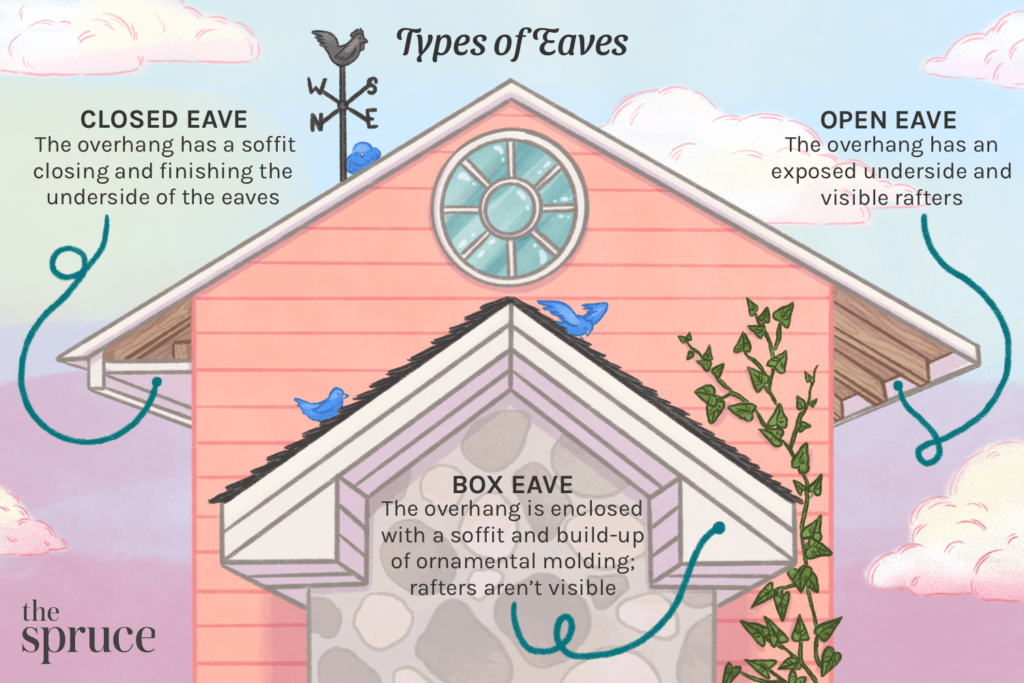
Some homes have wide eaves. Some have short overhangs. Some have enclosed eaves with soffit panels underneath. Others have open eaves where the rafters are visible.
No matter the style, the purpose is the same. The eave helps protect the home where the roof meets the exterior wall.
Without that overhang, rainwater would have a much easier path down the side of the house. Over time, that can affect siding, windows, trim, fascia, soffit, and the roof deck itself.
What Do Roof Eaves Do?
Roof eaves help control water.
They give rainwater a path away from the wall line. They give gutters a place to attach. They create the space where soffit ventilation can bring air into the attic. They also protect the edge of the roof deck from repeated water exposure.
When the eave is built and maintained correctly, the full roofing system works better.
When the eave starts to fail, the damage often shows up slowly. Paint begins to peel. A gutter starts to pull away. A soffit panel sags. A section of fascia feels soft. A small stain appears under the overhang.
Those signs may look minor. They can point to water getting behind the roof edge.
Fascia, Soffit, Drip Edge, and Gutters
A roof eave is not one single part. It is a group of parts working together.
The fascia is the vertical board along the roof edge. It usually sits behind the gutter. It helps cover the ends of the rafters and gives the gutter system a solid place to attach.
The soffit is the underside of the eave. On many Florida homes, soffit panels help ventilate the attic. That airflow helps move heat and moisture out of the attic space.
The drip edge is metal flashing installed along the edge of the roof. Its job is to guide water off the roof and away from the fascia and roof deck.
The gutter moves water away from the roof, siding, and foundation.
When these parts work together, the roof edge stays protected. When one part fails, the others can start taking damage.
A clogged gutter can soak the fascia. Soft fascia can weaken the gutter line. A loose drip edge can let water curl back under the roof edge. A damaged soffit can hide moisture, animal entry, or attic ventilation problems.
That is why the full roof edge should be inspected, not just the one visible piece.
Fascia and Soffit Damage Is Not Just a Trim Issue
Fascia and soffit damage can look cosmetic from the ground.
It usually is not that simple.
Soft fascia often means water has been sitting at the roof edge. Sagging soffit can mean moisture, poor ventilation, loose panels, or animal damage. Peeling paint near the eave can point to repeated water exposure.
If the gutter is pulling away, the fascia may no longer be strong enough to hold it. If water is dripping from the soffit, the issue may be coming from the roof edge above it.
Brehm Roofing & Restoration inspects the visible damage and the roofing above it. The goal is to find out whether the issue is isolated or part of a larger roof problem.
Get a Free Estimate Schedule a Roof InspectionWhat Is Drip Edge?
Drip edge is a metal flashing installed along the edge of the roof.
Its job is simple. It helps direct water off the roof and away from the fascia. It also helps protect the edge of the roof deck.
When drip edge is missing, loose, bent, or installed poorly, water can curl back under the roof edge. That water can soak the fascia, damage the roof deck, stain the soffit, or move into the wall line.
Drip edge matters most during heavy rain.
In Florida, that makes it a key part of the roofing system.
Open Eaves, Closed Eaves, and Box Eaves
Roof eaves can be built in different styles.
Open eaves leave the rafters or roof framing visible underneath the overhang. They are easier to inspect because the structure is exposed. They can also give a home a more traditional look.
Closed eaves use soffit panels to cover the underside of the overhang. This creates a cleaner finished edge. It also helps protect the underside of the eave from pests, wind-driven rain, and debris.
Box eaves are enclosed with a more finished trim detail. They are common on homes where the roof edge is part of the exterior design.
The right eave style depends on the home, the roof design, the ventilation needs, and the drainage details. The style is less important than whether the roof edge is moving water correctly.
Signs Your Roof Eaves Need an Inspection
The roof edge should be checked when the damage is visible from the ground.
Soft fascia, sagging soffit, peeling paint, loose gutters, water stains under the overhang, mold near the eave, animal entry points, or leaks near exterior walls can all point to a roof-edge issue.
Shingles lifting near the drip edge can also be a warning sign. So can water spilling behind the gutter instead of flowing through it.
These problems can start small. A gutter may clog. Water may sit against the fascia. The fascia may soften. The gutter may pull away. Then water gets closer to the roof deck and wall line.
The faster you find the source, the easier it is to plan the right fix.
Not Sure If It Is Fascia, Soffit, Gutter, or Roof Damage?
You do not need to diagnose it yourself.
The eave is where the roof edge, fascia, soffit, drip edge, gutter, attic ventilation, and exterior wall all meet. One visible symptom can have several causes.
Brehm Roofing & Restoration can inspect the full roof edge and show you what is actually causing the issue.
Get a Free Estimate Call 352-664-8585Can Damaged Eaves Cause Roof Leaks?
Yes. Damaged eaves can lead to roof leaks.
Water can enter behind the gutter. It can move under the drip edge. It can soak the fascia. It can reach the roof deck. It can also move into the attic or exterior wall.
A roof-edge leak may show up as a ceiling stain near an outside wall. It may show up as damp insulation near the attic edge. Sometimes it appears as water dripping from the soffit. Other times, it looks like bubbling paint, soft trim, or a musty smell near the roof line.
The visible stain is usually not the full problem.
The source may be higher up on the roof, behind the gutter, or under the roofing material near the eave. That is why roof-edge leaks should be checked before the next heavy rain.
Florida Roof Eave Problems
Roof eaves in Florida deal with heavy rain, humidity, heat, wind, and storm debris.
In Gainesville, Ocala, The Villages, Clermont, Windermere, Mineola, and nearby communities, roof edges can wear down faster when gutters clog or water sits against the fascia.
Humidity can make soffit and ventilation issues worse. Storms can bend drip edge, loosen shingles, or push debris into the gutter line. Animals can also enter through damaged soffit and create a larger problem inside the attic.
If you see damage at the eave, do not wait for it to move into the roof deck.
A roof-edge inspection can show whether the issue is limited to fascia and soffit or connected to a larger roofing problem.
Roof Eave Damage in North Central Florida?
Brehm Roofing & Restoration serves homeowners in Gainesville, Ocala, The Villages, Clermont, Windermere, Mineola, and nearby Florida communities.
If you see soft fascia, sagging soffit, loose gutters, or stains under the overhang, get the roof edge checked.
Get a Free EstimateRepair or Replace: What Happens When Eave Damage Spreads?
Some eave problems are isolated.
A small section of damaged fascia may be repairable. A loose soffit panel may need to be re-secured or replaced. A gutter issue may need drainage correction.
Other eave problems point to a larger roofing issue.
That can happen when the roof deck is soft, water has moved under the roofing material, shingles are lifting near the edge, metal panels are damaged, or leaks keep coming back.
When the damage is tied to the full roofing system, roof replacement may be the better path.
Brehm Roofing & Restoration handles shingle roofing, standing seam metal, stone-coated steel, and commercial roofing systems.
If replacement is needed, 94% of Brehm roof installs are done in one day.
One crew. One project manager. Driveway swept clean by dark.
In-house financing is available for homeowners who want options.
If the Eave Damage Is Part of a Larger Roof Problem, We Will Show You the Next Step
Most roof installs are completed in one day.
Ask about shingle, standing seam metal, and stone-coated steel options.
Get a Free Estimate Ask About FinancingWhat Happens During a Roof Eave Inspection?
A roof eave inspection should look beyond the surface damage.
Brehm Roofing & Restoration reviews the visible fascia and soffit condition, the gutter line, the drip edge, the roof-edge flashing, and the roofing material near the eave.
When needed, the inspection can also include attic ventilation concerns, signs of soft decking, storm damage, and water movement near the roof edge.
The goal is simple.
Find the source. Explain the issue. Give you a clear path forward.

Get Your Roof Eaves Checked
Tell us what you are seeing.
Soft fascia. Sagging soffit. Water stains. A gutter pulling away. A roof leak. Storm damage. Or something you are not sure about.
Send the details and add a photo if you have one. We will help you schedule the next step.
Get a Free EstimateRoof Eaves FAQ
What is the purpose of roof eaves?
Roof eaves help move water away from the exterior walls. They also create space for soffit ventilation, support the gutter line, and help protect the roof edge.
What is the difference between eaves and soffit?
The eave is the roof overhang. The soffit is the underside panel installed beneath that overhang.
What is fascia on a roof eave?
Fascia is the vertical board along the roof edge. It helps cover the rafter ends and gives the gutter system a place to attach.
What is drip edge?
Drip edge is metal flashing installed along the roof edge. It helps direct water off the roof and away from the fascia and roof deck.
Can damaged eaves cause roof leaks?
Yes. If water gets behind the drip edge, fascia, gutter, or roofing material near the eave, it can move into the roof deck, attic, or exterior wall.
When should I schedule a roof eave inspection?
Schedule an inspection if you see soft fascia, sagging soffit, water stains, loose gutters, animal entry points, peeling paint, or leaks near exterior walls.
Do damaged eaves always mean I need a new roof?
No. Some eave problems are isolated. Others are connected to roof-edge damage, soft decking, or an aging roofing system. An inspection can show whether repair or replacement makes more sense.
Does Brehm Roofing & Restoration inspect fascia, soffit, and roof-edge damage?
Yes. Brehm Roofing & Restoration can inspect the eaves, fascia, soffit, drip edge, gutters, flashing, and surrounding roofing materials to identify the source of the problem.