Access and occupancy
Identify the property contact, entry arrangements, occupied areas, and relevant operating routines.
A commercial roof project affects more than the roof. Brehm works with commercial properties to connect the roofing scope with access, building use, and the people who rely on the space.
Gainesville office · 352-664-8585
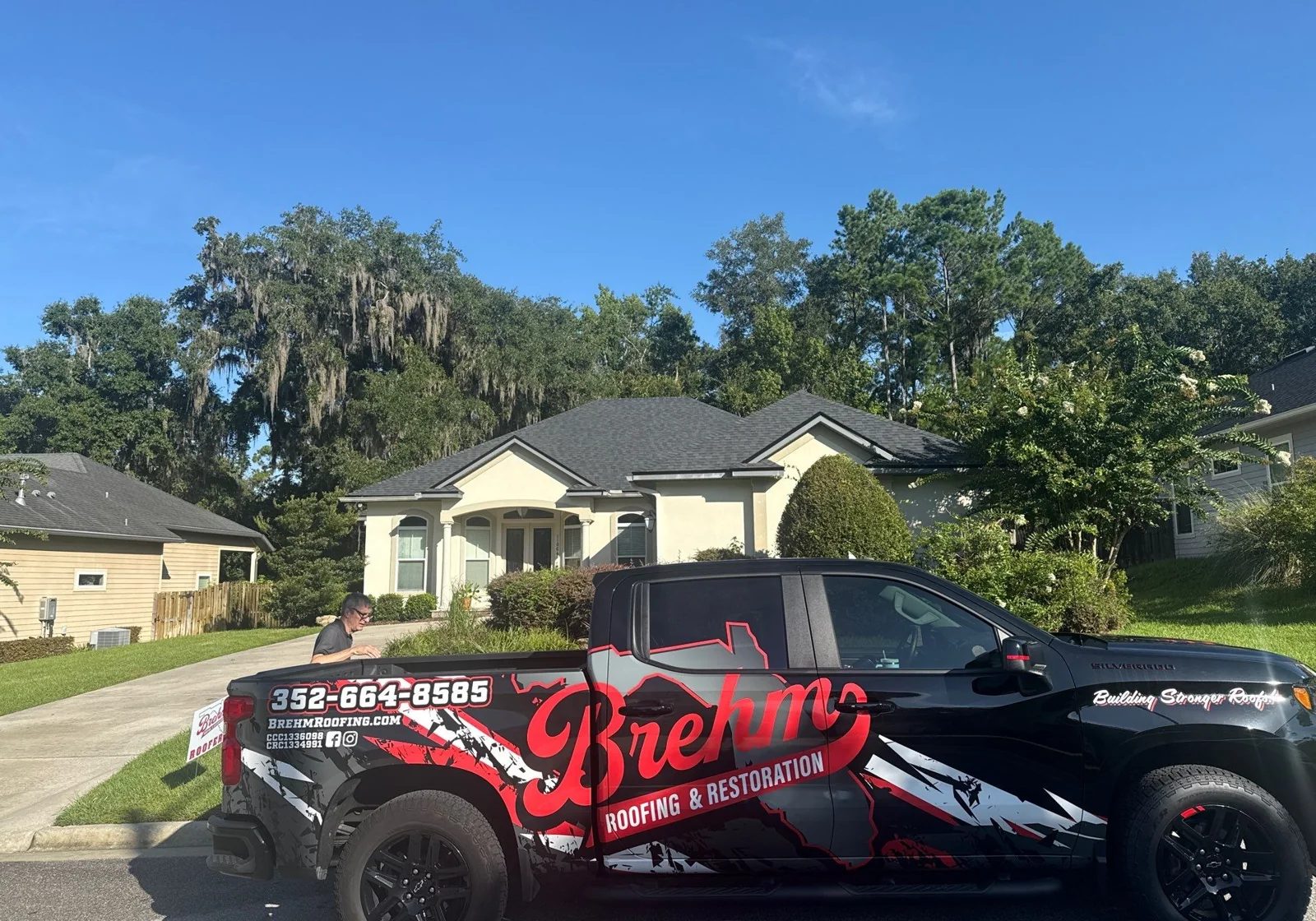
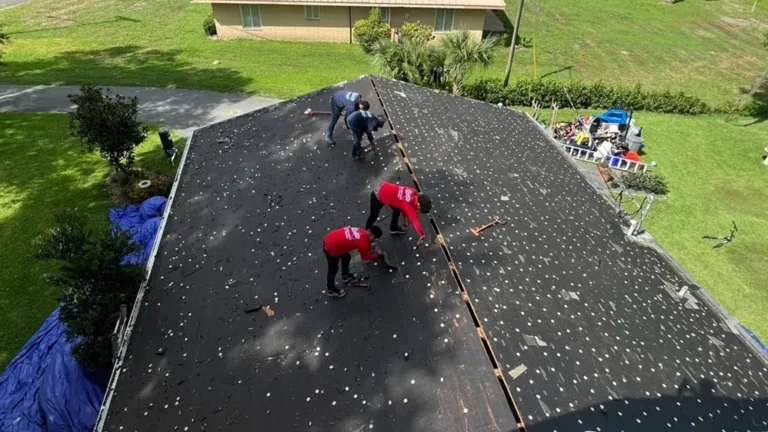
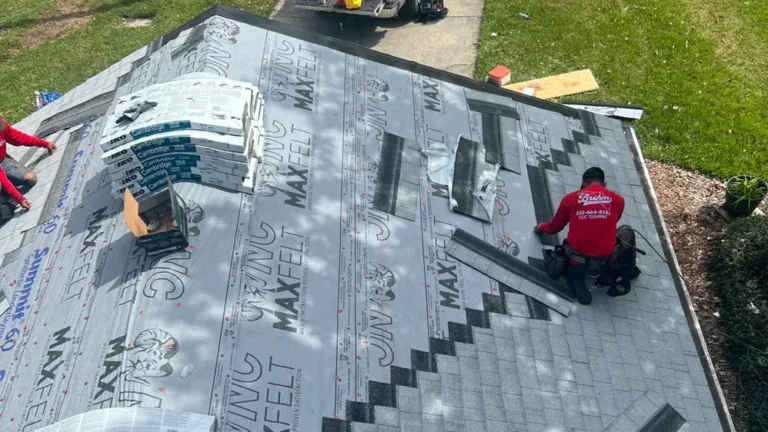
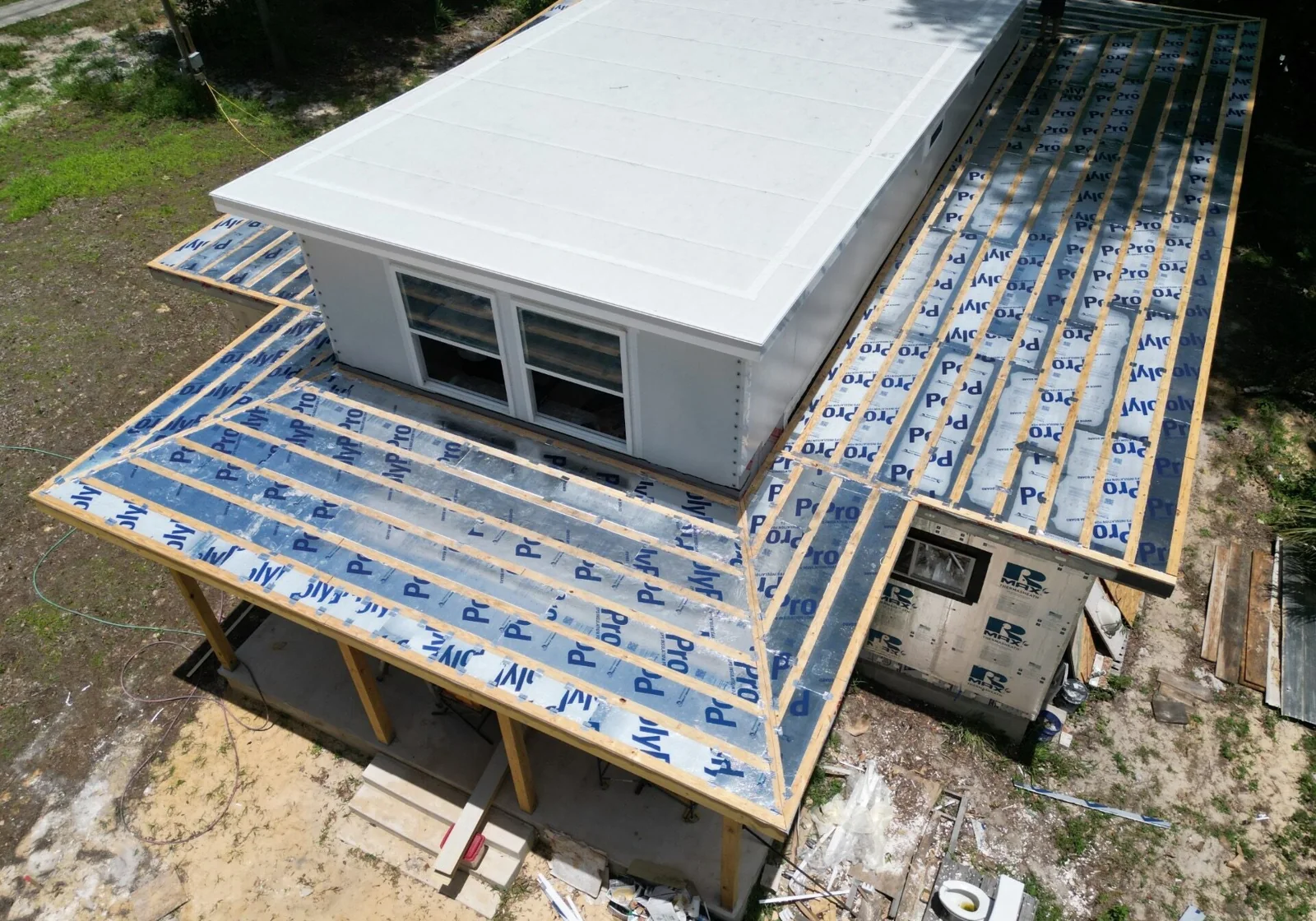
Brehm project photography
Identify the property contact, entry arrangements, occupied areas, and relevant operating routines.
Discuss the existing assembly, drainage paths, equipment, penetrations, and transitions before comparing materials.
Keep the written scope, product information, change approvals, and applicable closeout documents in one place.
A commercial roof project is never only about the membrane. Hours of operation, tenant entrances, deliveries, rooftop equipment, and drainage all shape a workable sequence. Brehm plans commercial repairs and replacements around how the property is used — so the written scope covers access, occupied areas, and who authorizes changes, not just a material label.
We work across steep-slope and low-slope systems already listed on Brehm’s live commercial pages: asphalt and metal where the architecture calls for them, and flat / low-slope options including TPO and modified bitumen, plus commercial metal such as PBR and standing seam from Florida suppliers like Metal Ops and Tri County Metals. Coatings are discussed only when the existing assembly and drainage make them appropriate. Inspections often include understanding the current assembly (including core sampling when needed) so recommendations match what is actually on the roof.
Credentials stay the same as residential work: Florida contractor licenses CCC1336098 and CRC1334991, insurance and workers’ comp for permitting, Owens Corning Platinum Preferred capabilities on qualifying systems, bilingual crew leadership, and photo-documented progress. On larger multi-building work — including projects Brehm has completed across multiple structures with coordination so tenants could keep operating — the calendar follows the property, not a one-day residential default. Call 352-664-8585 with the property contact, address, building type, and any roof plans or warranty records you have; we will return a clear scope you can share with ownership or management.
Explore the project photography, then ask how the details apply to your own home.
From Brehm’s project collection. Photos are not assigned to a specific service-area city.
Live reviews from homeowners across North Central Florida, straight from Google.
Useful answers to start with. Your property and proposed scope make the conversation specific.
Talk with BrehmOccupancy and operations should be part of the planning conversation. Tell Brehm how the building is used and which routines or access points need coordination. Confirm the specific work sequence and limitations for the project.
Start with the existing roof assembly, slope, drainage, and building use. Brehm’s commercial and flat-roof services include options for different property conditions. Ask which system is appropriate and compare its complete proposed scope.
Not necessarily. The evaluation should consider the source and extent of the concern and the condition of the assembly. Ask what a repair would address and which findings support replacement if it is recommended.
Include someone who can explain the building’s history and operations, provide access, and clarify the decision process. For leased or managed properties, establish who authorizes the work and communicates with occupants.
Choose a starting point and see which questions belong in the conversation.
Hours, entrances, parking, deliveries, and tenant routines can shape project coordination. Explain the way the property operates before the work sequence is agreed.
Bring this questionWhich activities or access routes need special coordination?
Roof plans, prior repairs, warranty records, and the timing of leaks help make the evaluation more specific. Share how the affected space is used and who can provide access.
Bring this questionWhat has already been tried, and when does the concern appear?
The covering, insulation where applicable, drainage, penetrations, access, and documentation all belong in the scope conversation. Compare repair and replacement options based on the findings.
Bring this questionWhat is included in each option and what remains outside the scope?
A simple roof plan shows three areas to discuss alongside the main covering.
Discuss drains, scuppers, edges, and observed water accumulation. The covering and drainage arrangement should be considered together.
A useful questionHow does the proposed scope address this roof’s drainage?
Equipment, pipes, supports, and roof penetrations create interfaces with the main assembly. Identify who coordinates those details.
A useful questionWhich equipment and penetration details are included?
Roof edges, walls, and adjoining assemblies deserve clear details in the proposal. Ask how new work connects with existing materials.
A useful questionHow will the roof connect at the perimeter and adjoining areas?
Use this commercial roofing checklist to prepare. Add the questions you want answered and download your notes before talking with Brehm.
Get a free roof inspectionShare the property address, what you have observed, and any known roof history. The findings help shape the next step.
Download a blank checklist with six questions for this service. Interactive notes require JavaScript; nothing entered on this page is saved without it.
These notes are not sent to Brehm. Download a copy to bring to your conversation.
Bring your questions. We’ll start with your property and the next step.