Less uncertainty.
A better plan for your High Springs roof.
Understand what needs attention before choosing what to replace. Explore the parts of a roofing system and bring a focused set of questions to your inspection.
A real conversation about your roof. Call 352-664-8585.
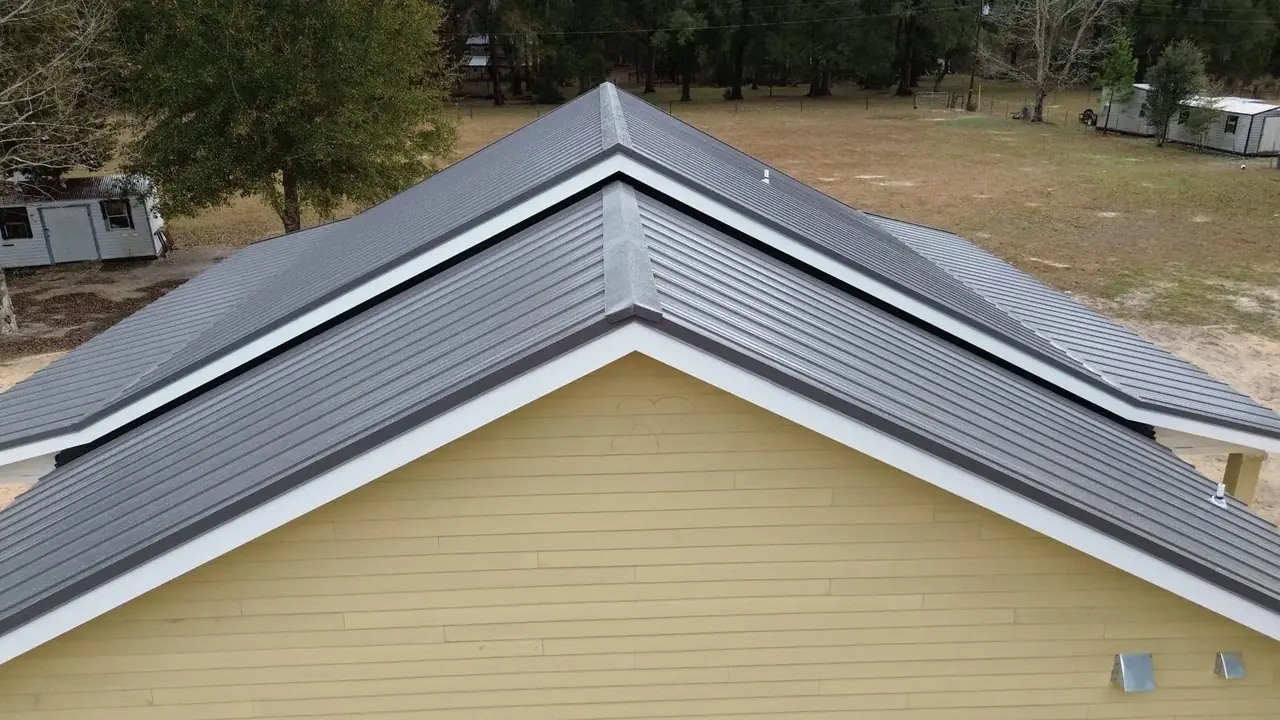
Brehm project photo, High Springs, Florida, January 2026
Think before, during, and after the work.
Your roofing paperwork should tell a clear story, just like the roof itself. High Springs publishes roof-specific forms. Use that as a starting point for asking how the proposed work will be documented.
Before work: understand the written scope.
The High Springs forms directory includes a Roofing Permit Application. Ask what work the proposal covers, which roof materials are being considered, and which permitting authority handles the property. Confirm those details before a start date is set.
After work: know what records to keep.
The city also lists a Roof Inspection Affidavit in its forms directory. Ask which inspection and closeout records apply to the actual project and how they will be provided to you. Keep the final scope, invoices, and relevant product documents together.
Know the scope before, during, and after the work.
High Springs roofs deal with Florida sun, humidity, and storm seasons that lift shingles, open flashings, and turn small leaks into interior damage if they wait. Brehm serves High Springs with the same licensing and installation standards we use across North Central Florida: CCC1336098 and CRC1334991, insurance and workers’ comp, Owens Corning Platinum Preferred capabilities on qualifying systems, and crews led by a bilingual crew leader with a site supervisor and photo documentation on the job.
High Springs uses a roof-specific permit application and inspection affidavit. Use that as your paperwork checklist. Ask what the written scope covers, which materials are proposed, which authority handles the address, and which closeout records you will keep when the job is done. That conversation belongs before a start date is locked.
If storm damage or an active leak is the reason you are calling, say so up front so temporary protection and permanent repair can be separated clearly. About 94% of Brehm roofing projects finish within 36 hours of crew arrival once the permanent scope and materials are set. Call 352-664-8585 with your High Springs address for a free inspection and a plan you can follow on paper.
Roofing services for High Springs.
Roof replacement
Understand the scope from the existing roof to the finished system.
02 / ROOFING SERVICESRoof repair
Start with the cause and a clearly explained repair recommendation.
03 / ROOFING SERVICESMetal roofing
Explore the profile, finish, and details of a metal roof.
04 / ROOFING SERVICESStorm damage
Discuss what changed and the next steps for your property.
05 / ROOFING SERVICESCommercial roofing
Plan around the building, its use, and the proposed work.
06 / ROOFING SERVICESNew construction
Coordinate the roof with the plans for your new building.
Real work. More to look at.
Explore the project photography, then ask how the details apply to your own home.
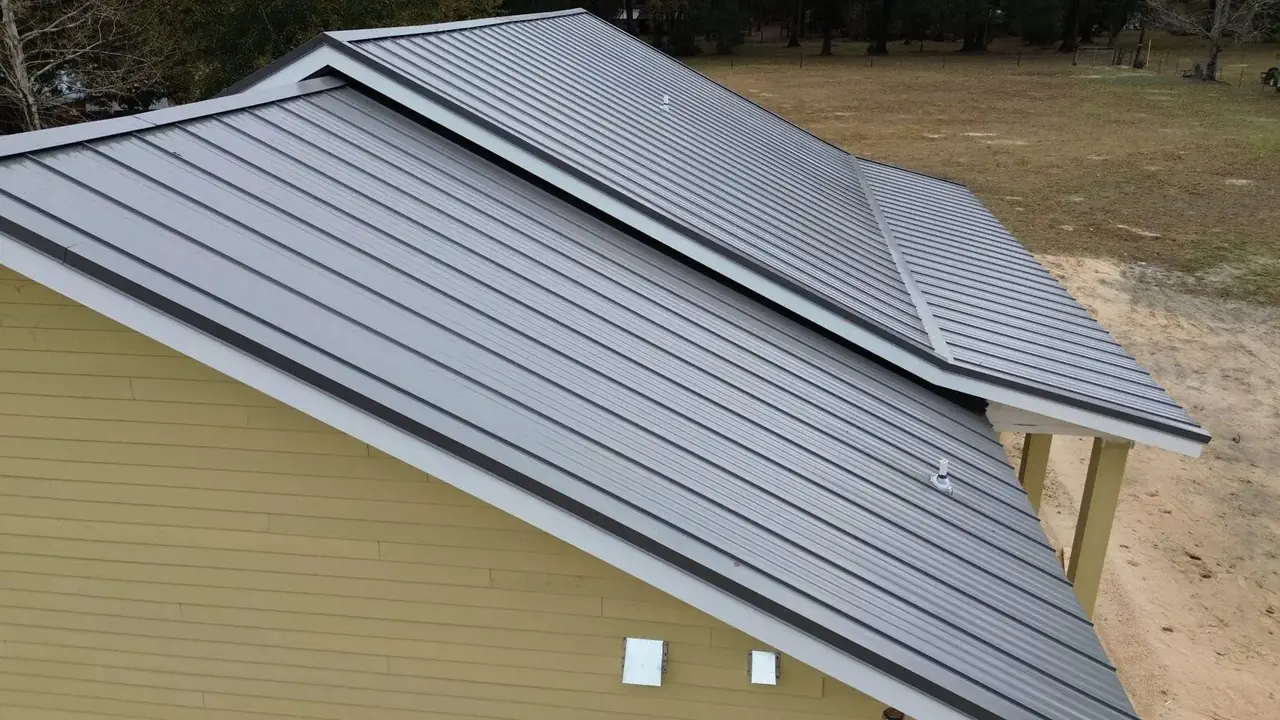 Standing seam roof, side elevation in High Springs, FloridaStanding seam roof, gable elevation in High Springs, Florida
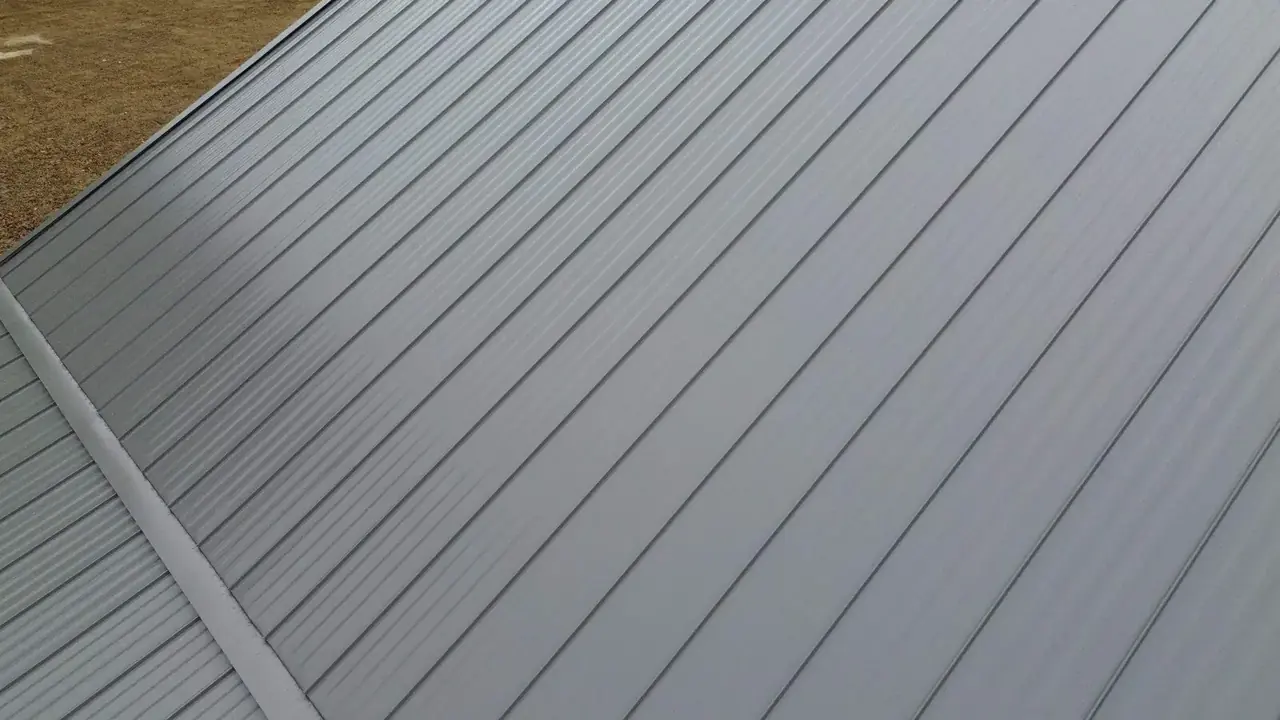 Standing seam metal roof panel detail in High Springs, Florida
Brehm project photos taken in High Springs, Florida. Photographed January 2026. Dates are CompanyCam capture dates, not completion dates.
Hear from Brehm customers on Google.
Live reviews from homeowners across North Central Florida, straight from Google.
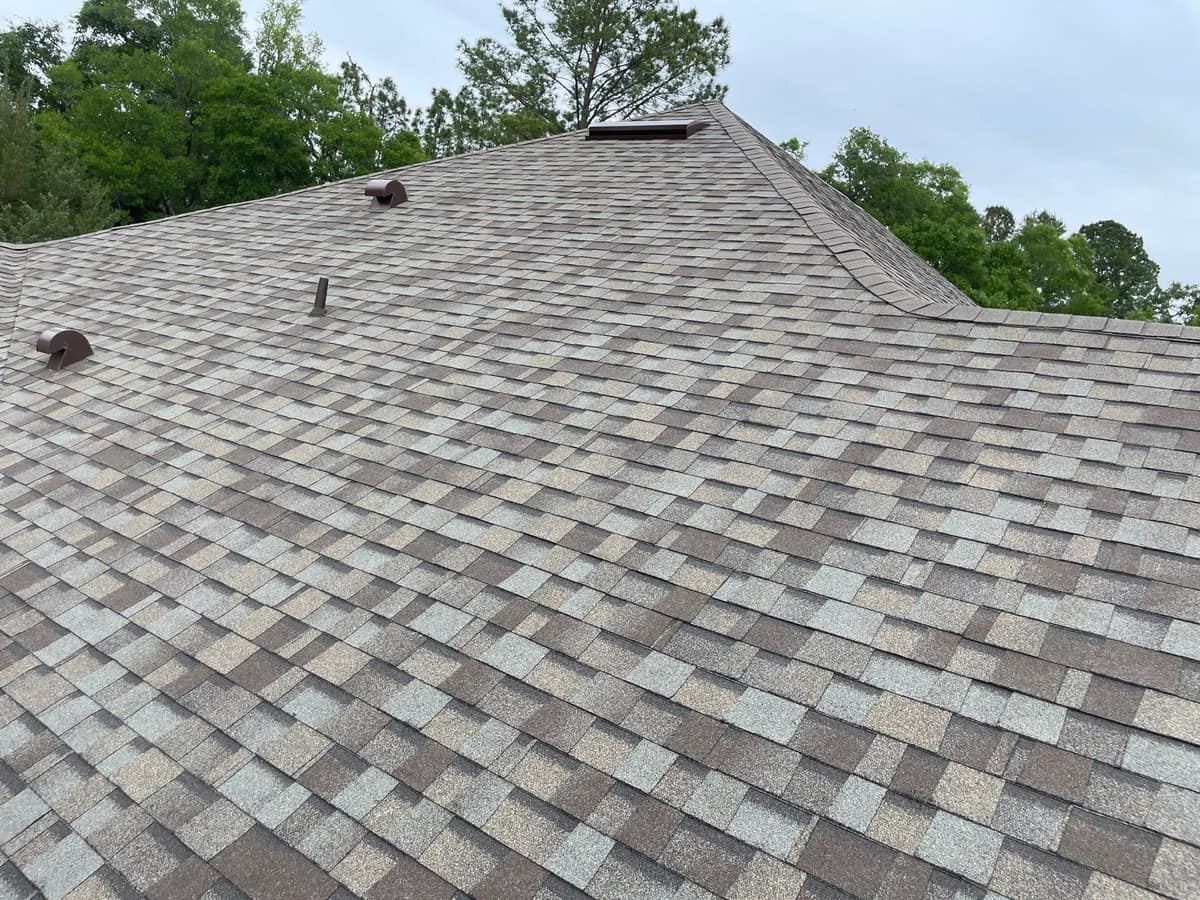
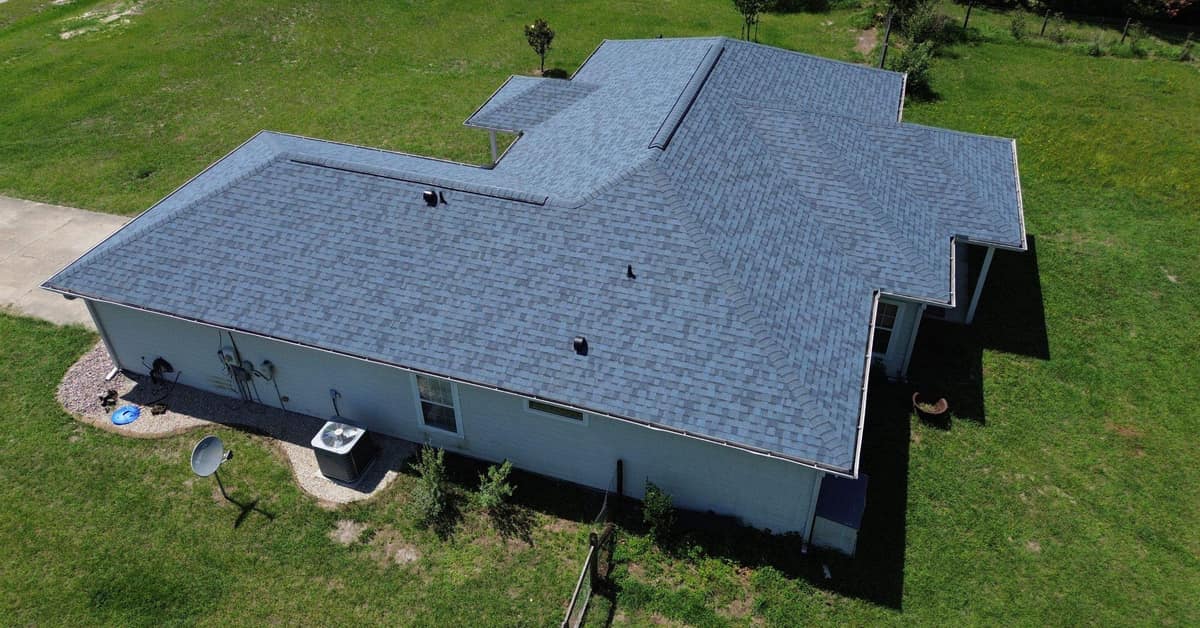
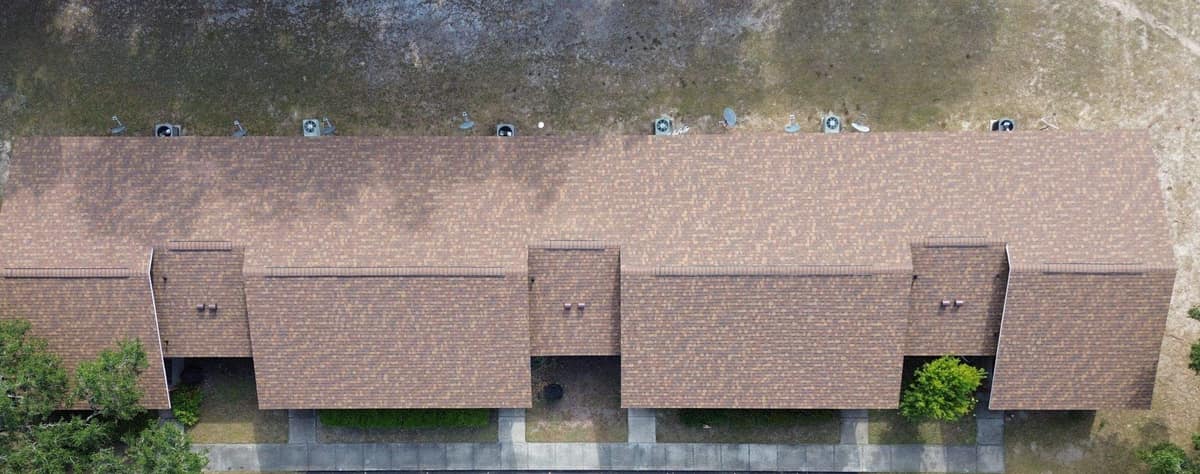
Recent projects in High Springs.
Finished Brehm roofs near you, with every photo from the job and what we did. Town and month only, to protect our customers.
High Springs roofing questions.
Have a question about your own property? Bring it to the conversation.
Ask BrehmDoes High Springs publish roofing-specific forms?
Yes. The city’s forms directory lists a Roofing Permit Application and a Roof Inspection Affidavit. These are useful starting points for project questions. Ask which documents and reviews apply to your property and scope rather than assuming every repair and replacement follows an identical process.
What roofing documents should I save after the project?
Keep the agreed scope, final invoices, applicable warranty and product information, and relevant permit or inspection records. Ask your contractor which closeout documents apply to your job and how you will receive them. Store them together so future repairs, ownership changes, or warranty questions have a clear starting point.
Can my roof be repaired instead of replaced?
That depends on the roof’s condition and the cause and extent of the problem. Ask Brehm to explain the inspection findings, what a repair would address, and why a broader scope may be recommended. A photo or the age alone does not settle that decision.
What will my roof project cost?
The written scope determines the price. Roof size and design, material choices, existing conditions, access, and related work can all affect the proposal. Ask for an estimate specific to your property and compare what is included before comparing the total.
What brought you here today?
Choose the concern closest to yours. Get a useful starting point for the conversation.
Find the cause before choosing the fix.
The mark on a ceiling is a starting point. A roof inspection helps connect what you can see inside with the conditions above it.
- Note when the leak appears and which room is affected.
- Gather photos you can take safely from the ground.
- Ask what the proposed repair addresses and what remains.
Compare the roof system, not just the surface.
A replacement proposal should explain the work beneath and around the visible roofing material, along with the material itself.
- Ask how existing decking will be evaluated.
- Discuss flashing, underlayment, and ventilation.
- Clarify cleanup, documentation, and warranty terms.
Record what changed. Start on the ground.
Share the changes you noticed after the storm, including new stains or visible damage. An inspection is the next step in understanding the condition.
- Take photos only from a safe location.
- Note the date and what you observed.
- Call Brehm to discuss the property and available next steps.
Make the first conversation count.
You do not need to arrive with the roof already figured out. Bring your goals, the property details, and the questions you want answered.
- Share your plans for the home or building.
- Gather any prior repair and warranty records.
- Compare options after the roof condition is understood.
These prompts help you prepare. An inspection determines the condition and recommended scope.
Find the right conversation for your roof.
A visual guide to roofing materials and the questions behind each choice.
A familiar look, with details worth comparing.
Explore color and profile alongside the complete installation scope. Ask which product is proposed and how the surrounding roof-system components are handled.
A different profile. A complete-system conversation.
Discuss panel style, finish, attachment, and how transitions will be detailed. The right comparison includes your roof geometry and the proposed installation, not only the material name.
Start with suitability for the structure.
If you like the shape and character of tile, ask whether it fits your roof design and structure. Confirm applicable property guidance and the proposed supporting roof system.
The roof’s shape changes the conversation.
A low-slope section needs an approach suited to its design. Ask about the proposed system, drainage, penetrations, and transitions to adjoining roof areas.
Material illustrations are simplified studies, not product samples. Confirm suitability, colors, and specifications with Brehm.
Your roof is more than the top layer.
Explore the parts that belong in a complete roofing conversation.
The part you see every day.
Shingles, metal, tile, and other systems give the roof its visible surface. Product selection belongs alongside the roof design and the details underneath.
A useful question:
Which product is proposed, and why does it fit this roof?
A layer beneath the visible covering.
Underlayment is part of the roof assembly beneath the primary covering. Ask which product and installation details are included in the scope.
A useful question:
What underlayment is included in the proposal?
Pay attention where materials meet.
Roof-to-wall transitions, edges, and penetrations deserve specific attention. Ask how the proposal handles these details and any existing flashing.
A useful question:
Which flashing will be replaced, and which will be evaluated?
The surface that supports the assembly.
Existing decking is a key part of the inspection and project conversation. Ask how concealed conditions will be handled if they become visible during the work.
A useful question:
How will any additional decking work be documented and approved?
Part of the whole-roof conversation.
Discuss the existing intake and exhaust arrangement and how it relates to the proposed roof. The appropriate approach depends on the building and roof design.
A useful question:
How is ventilation being evaluated for this property?
Your address starts the plan.
High Springs is in Brehm’s published service area. The map shows the community; appointment timing is confirmed directly with the team.
Open the area in Google MapsA map for orientation around your property.
Bring questions.
Leave with a clearer plan.
A little preparation makes the conversation more specific to your home. Use the checklist, save a copy, and bring the questions that matter to you.
Arrange your free inspectionTell Brehm about the property and the concern you want investigated.
Ask what the inspection shows and which details affect the recommendation.
Review the proposed scope and ask for clarification before choosing the next step.
Pick a start date, get the permit and written scope in hand, and receive CompanyCam photos as the work is completed.
Your inspection checklist
0 / 6Download a blank checklist with six questions for your inspection. Interactive selections require JavaScript.
Your checklist is not sent to Brehm. Download a copy to keep it.
Let’s make a plan for
your High Springs roof.
Start with a free inspection and a conversation about your home.